Weighted blanket: benefits, choosing the weight and who it is suitable for
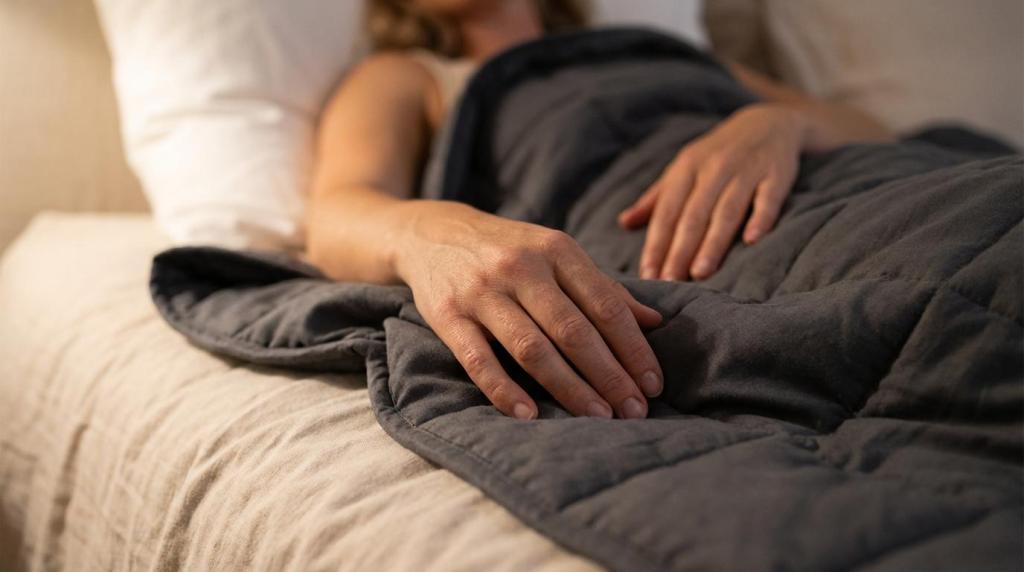
Many people turn to a weighted blanket for help with restless evenings, interrupted sleep or the feeling that their body simply cannot settle down. A weighted blanket is not a medicine, and it is not suitable for everyone, but when chosen correctly, it can be a surprisingly effective everyday support. The biggest difference from a regular blanket is the even pressure distributed across the entire body, which many find calming.
What does a weighted blanket do to the body?
A weighted blanket is based on deep-pressure sensation: it applies even pressure to the body, somewhat like a firm hug or massage pressure. When the pressure is suitable, some users notice that bodily tension decreases and breathing becomes calmer.
The scientific evidence is promising but varied. Studies have reported benefits for insomnia symptoms and perceived sleep quality, and some data have also linked weighted blanket use with reduced anxiety. It is worth remembering that the effect is not the same for everyone, and some find the weight uncomfortable.
Benefits of a weighted blanket: what do users typically seek?
The benefits of a weighted blanket are often described very concretely: “I fall asleep faster”, “I do not startle as much”, “my shoulders are not as tense”. There may be several factors behind this, and it is not always easy to distinguish how much is due to the blanket and how much to other changes in everyday life.
Studies have found that a weighted blanket may support sleep and calming down, especially when stress, anxiety or insomnia are underlying factors. Some settings have also reported reduced pain perception in connection with chronic pain, and weighted blankets have been tried for managing anxiety and pain in acute care settings.
In everyday life, the benefit may appear in small, recurring things that add up over the weeks: the evening routine becomes easier, tossing and turning at night decreases, and you feel a little more balanced in the morning.
The following benefits are typical reasons to try a weighted blanket:
- Sleep: falling asleep more easily, fewer awakenings
- Calming down: reduced restlessness and overarousal in the evenings
- Body relaxation: easing muscle tension, a feeling of being “anchored”
- A sense of security: pleasant, protective pressure for many
Who is a weighted blanket suitable for, and when should you be cautious?
Weighted blankets are widely used by adults who experience sleep difficulties or strain. Some benefit from them especially when their body is overactive in the evening and calming down feels difficult. For some people with ADHD or autism spectrum traits, deep pressure feels clearly organising and reassuring, although the experience is always individual.
Caution is nevertheless important, because a weighted blanket adds load to the body. In certain situations, a weighted blanket is not a good choice without an assessment by a healthcare professional, and sometimes it is not recommended at all.
Weighted blankets are generally not recommended for small children (typically under 3–4 years of age), as they may not be able to move the blanket away from their face or chest. Similarly, people with significant respiratory or circulatory conditions benefit from an assessment by a doctor or other professional before trying one.
In these situations, it is worth pausing and asking for a professional opinion:
- Respiratory conditions: sleep apnoea, COPD, severe asthma
- Heart and circulation: significant heart disease, severe circulatory disorders
- Mobility limitations: if you have difficulty changing position or cannot move the blanket yourself
- Skin and wounds: extensive rashes, ulcers, inflamed skin areas
If a weighted blanket feels distressing, causes shortness of breath, becomes intensely hot or prevents movement, it is a clear sign to choose a lighter weight or not use the blanket.
Choosing the weight: why is “around 10%” only a starting point?
The most common guideline is to choose a weighted blanket that weighs around 10% of the user's body weight. This is a practical rule of thumb, as it provides a suitable feel for many without making the blanket cumbersome.
Still, the percentage does not tell the whole story. Two people of the same weight may need different blankets because tolerance of pressure, muscle strength, sleeping position and sensitivity to heat vary. If you wake up easily because of the sensation of weight or are otherwise sensitive, a lighter option is often a better place to start. If, on the other hand, you want a distinctly firm feeling and can turn over with ease, a heavier option may feel right.
A good blanket is one you can move around in bed without effort.
Indicative weight selection table
The table below helps illustrate typical choices when starting from around 10% of body weight. If you are between two weights, many people choose the lighter one for their first trial.
|
User weight |
Recommended range (around 7–12%) |
A suitable starting point for many |
|---|---|---|
|
50 kg |
3.5–6 kg |
5 kg |
|
60 kg |
4–7 kg |
6 kg |
|
70 kg |
5–8 kg |
7 kg |
|
80 kg |
6–10 kg |
8–9 kg |
|
90 kg |
6–11 kg |
9–11 kg |
|
100 kg |
7–12 kg |
11–12 kg |
The table is indicative. If you have conditions that may affect breathing, circulation or temperature regulation, it is advisable to choose the weight more cautiously.
Beyond weight: size, filling and cover determine comfort
The “feel” of a weighted blanket does not come from kilograms alone. Its size determines whether the pressure is distributed evenly. A blanket that is too small may not cover the shoulders or legs sufficiently, causing the weight to be distributed unevenly. One that is too large, on the other hand, may slide around and feel difficult to turn with.
The filling material affects how the blanket feels and how it lies. Glass beads often distribute the weight densely and evenly, while plastic pellets may feel slightly different in texture. Quilting and compartmentalisation are important because they prevent the filling from shifting into one corner.
The cover is a category of its own: it affects warmth, feel against the skin and ease of washing. Breathable cotton works for many all year round, while a warmer surface may be pleasant in winter but too much for a hot sleeper.
When comparing options, these features are often decisive:
- Cotton
- Bamboo viscose
- Microfibre
- Removable protective cover
How to get used to a weighted blanket without surprises
The first nights often determine whether you will continue using a weighted blanket. If the blanket feels “too much” from the start, many people give up unnecessarily. You can adjust to it gradually, and a lighter start works best for many.
Start with naps or on the sofa in the evenings for 15–30-minute periods, so you can get used to the pressure. Once the blanket feels familiar, move on to using it for the whole night. If you wake up feeling uncomfortable in the middle of the night, switch to a regular blanket and try again the following evening.
The practical basic guidelines are simple: keep your head and face uncovered, and make sure you can change position under the blanket by yourself.
How can you identify a safe and sensible choice in an online store?
A weighted blanket is a densely stitched product, so its quality is noticeable in use. When buying online, look at least at the materials, care instructions, quilting structure and whether the textiles have safety certifications. Many value OEKO-TEX-certified textiles because they indicate limits for harmful substances.
Finnmart.eu-type stores specialising in home textiles often offer a selection of different weights and sizes, making it easier to find an option that suits your needs.
If you are deciding between two weights, a good question to ask yourself is this: am I primarily looking for calming pressure or the most unobtrusive support possible? For the former, many choose a firmer option; for the latter, a lighter one. The choice is usually more successful when the blanket already feels manageable during the first week.
