Why do you sweat at night? How bedding and materials affect warmth
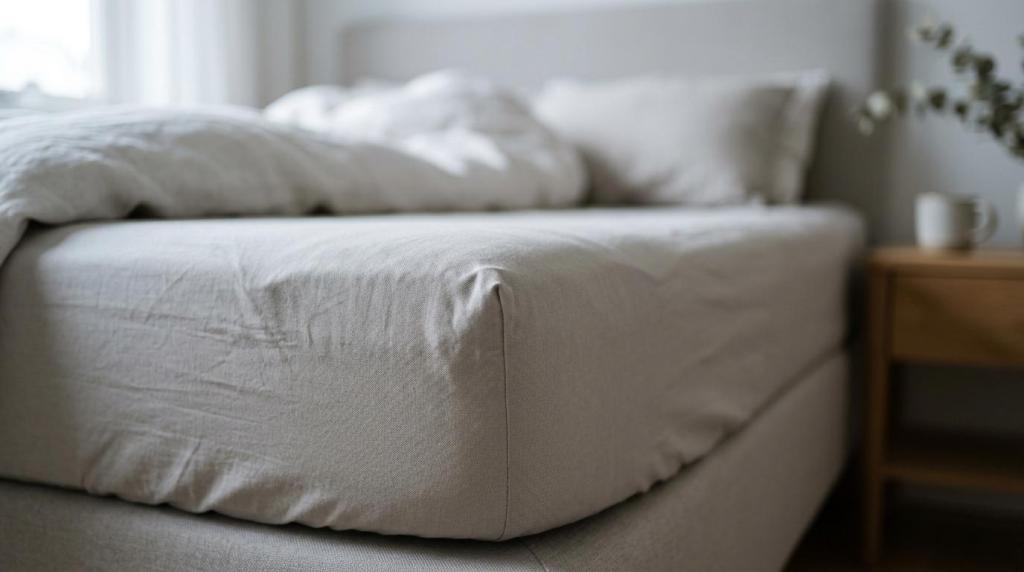
Many people have woken up in the middle of the night with a damp neck, a duvet that feels too hot and a sheet sticking to their skin. However, night sweats do not always mean the same thing. Sometimes they are caused by an ordinary sleep environment that is too warm, while at other times they involve clearly heavier sweating that recurs even when the bedroom is cool.
This is precisely why it is worth looking at night sweats from two directions at the same time: what is happening in the body and what the sleep environment is like. Often, room temperature, duvet thickness and the right material choice can make a big difference.
Common causes and contributing factors of night sweats
In everyday life, night sweats often refer to any sweating that occurs during the night. In healthcare, the term is sometimes used more specifically for a situation where nightwear or bedding becomes thoroughly wet even though the room is not hot. It is useful to keep this distinction in mind, as feeling mildly warm and sweating through your bedding are not quite the same thing.
Night sweats can have very common causes. Menopausal symptoms are one common explanation, but stress, anxiety, alcohol, certain medications and low blood sugar can also increase sweating. For some people, a tendency towards heavy sweating also appears at night. Sometimes no clear cause is found at all.
Still, an overly warm sleep environment is a surprisingly common explanation. When the room is warm, the duvet is thick and the sheet is poorly breathable, the body cannot release heat normally. In this case, the feeling can resemble actual night sweats, even though the main reason is a hot sleep environment.
Typical causes worth checking first include:
- a warm bedroom
- a duvet that is too thick
- a heat-trapping mattress protector
- alcohol in the evening
- stress and strain
- a change in medication
If sweating is heavy, new, recurring or occurs in a cool room without a clear cause, it is worth discussing it with a healthcare professional.
Bedroom temperature, humidity and airflow during sleep
Good sleep does not depend only on whether the bed is soft or the pillow is comfortable. Temperature, humidity and air movement also affect how the body settles into sleep. A fairly cool bedroom generally supports falling asleep because the body's core temperature naturally drops towards the evening.
The same idea is repeated in official sleep guidance: the bedroom should be dark, quiet, cool and comfortable. If the room feels stuffy, the body is more likely to sweat as it tries to regulate temperature. This can fragment sleep, even if you do not always remember waking up in the morning.
Humidity affects the same process. If the air is warm and humid, sweat does not evaporate from the skin as effectively. Then even a small rise in temperature can make you feel sticky. Airflow also matters a great deal. Closed, still air easily feels warmer than the same temperature in a room where the air is circulating.
Lowering the temperature by just one or two degrees can change how the night feels more than many people expect.
Bedding materials and moisture management
When a person sweats while sleeping, textiles should do more than simply provide warmth. They should also move moisture away from the skin, allow water vapour to pass through and feel comfortable even if the body warms up temporarily. In practice, this is called moisture management.
Materials behave very differently in this respect. Cotton, wool and polyester do not feel or perform the same way, even if all are soft and neat in use. Studies have shown that merino wool sleepwear may support sleep better than cotton or polyester in hot conditions. In one study involving people over 50, merino was associated with a shorter time to fall asleep than the comparison materials in a hot environment. This does not mean that wool is always best for everyone, but it clearly shows that fibre choice genuinely matters.
|
Material or construction |
Thermal feel |
Moisture behaviour |
Often best suited to |
|---|---|---|---|
|
Cotton |
Natural and familiar to many |
Breathes well, but may feel wet if a lot of moisture builds up |
General use, people who sweat normally |
|
Percale cotton |
Fairly cool and crisp |
The airy weave helps release heat |
Hot sleepers, summer |
|
Merino wool |
Balanced, not always warm to the touch |
Absorbs moisture and can feel drier against the skin |
Changing conditions, people who experience night sweats |
|
Polyester |
Lightweight and quick-drying |
Performance depends on the construction and may feel clammy |
Lightweight products, if the construction is breathable |
|
Moisture-wicking blend |
Often has a sportswear-like feel |
Designed to move moisture away from the skin |
People who sweat heavily, if they like the soft feel |
Fabric construction matters as much as fibre
The same material can perform differently depending on how the fabric is made. A dense, smooth and shiny fabric often feels warmer than an airy weave, even when the fibre is the same. This is why the label "100 % cotton" alone does not tell you whether a sheet feels cool or warm.
In practice, many hot sleepers prefer crisp percale to very dense, smooth-surfaced fabric. Flannel, on the other hand, is better suited to people who feel cold. The duvet filling, quilting and thickness also make a big difference, not just the material of the duvet cover.
Duvet, pillow and mattress protector for night sweats
Attention often turns first to sheets, even though the actual warmth may come from the duvet. If a duvet is too thick for the season, the body begins to push heat away through sweating. In this case, even a cooler duvet cover will not solve the situation on its own.
The pillow has a surprisingly large effect because the head and neck warm up quickly. If you repeatedly wake up feeling clammy specifically around the head, the reason may be a pillow that is too dense or a poorly breathable pillow protector. The same applies to the mattress protector. Some protectors are excellent for everyday use, but if they are completely impermeable, they can increase the feeling of warmth.
It is worth thinking of the bed in layers. If one layer prevents heat or moisture from escaping, the entire bed feels warmer.
Good things to check include:
- Duvet warmth rating: summer duvet, all-season or winter version
- Pillow filling: airy and adaptable or dense and heat-retaining
- Mattress protector: a breathable protector or a membrane construction that clearly increases warmth
- Bed layering: several layers can add a surprising amount of warmth
Practical ways to reduce night sweats
If your nights are hot, you do not need to change everything at once. The most effective approach is often to change one thing and monitor the effect over a few nights. This makes it easier to see whether a cooler room, a lighter duvet or a new sheet helped.
Another good rule is to consider the whole sleep setup together: nightwear, sheets, duvet, pillow and room temperature. If one part is clearly too warm, the other parts have to compensate for it.
Try this order of steps:
- Lower the bedroom temperature slightly.
- Replace a thick duvet with a lighter version.
- Try a breathable fitted sheet, preferably with an airy weave.
- Check the breathability of the mattress protector and pillow protector.
- Avoid very heavy nightwear if you sweat easily.
- Keep track of which nights sweating worsens.
If sweating is concentrated on certain nights, your daily rhythm may also play a role. Alcohol, a late heavy meal, a hot shower just before bedtime or an exceptionally stressful day can affect the body during the night for many people.
What kind of bedding suits a hot sleeper
For a hot sleeper, a good combination is often a fairly cool room temperature, a breathable fitted sheet, a light duvet and a pillow that handles moisture well. The aim is not to make the bed cold, but to create a setting where heat does not become trapped between the skin and duvet.
Many people benefit from changing their bedding according to the season. In summer, a lighter duvet and airier sheet make sense. In winter, not everyone needs a heavy winter duvet if the bedroom is otherwise warm. An all-season compromise is not always the best solution for someone who experiences night sweats.
When choosing materials, it can also be useful to favour textiles that are proven safe and kind to the skin. If a textile is against your skin every night for a long time, many people value certified materials and easy-to-wash products. In practice, good hygiene also helps prevent the feeling of dampness from being emphasised by old detergent residues or worn fabric.
You can look for effective choices like this:
- Cool feel: percale and other airy weaves
- Moisture balance: merino wool or a well-designed moisture-wicking textile
- A lighter overall setup: a thinner duvet and fewer overlapping layers
- a soft yet breathable pillow
- easy-to-wash protectors
When it is worth investigating the cause of night sweats further
If night sweats are clearly linked to a hot bedroom or bedding that is too thick, the solution is often found at home. However, if sweating is heavy, starts suddenly, repeatedly soaks the bedding or continues even in a cool room, it is worth assessing the underlying cause more closely.
It is especially a good time to seek an assessment when there are other symptoms as well or you feel unusual. The purpose is not to worry excessively, but to distinguish between an ordinary hot night and a situation where the body may be signalling something else.
Tracking is easier if you note a few things in advance: the room temperature, which duvet you used, whether the evening was unusually stressful and whether sweating is connected to a particular time of the month, medication or alcohol. The clearer the overall picture, the easier it is to decide whether changing bedding is enough or whether the cause should be considered more broadly.
If your aim is calmer sleep as soon as tomorrow night, start with the simplest steps: cool the room slightly, choose a lighter duvet and select a more breathable material next to your skin. Surprisingly often, these three things change the course of the night.
