Incontinence sheet 160x200 – how to choose the right one and keep your bed dry
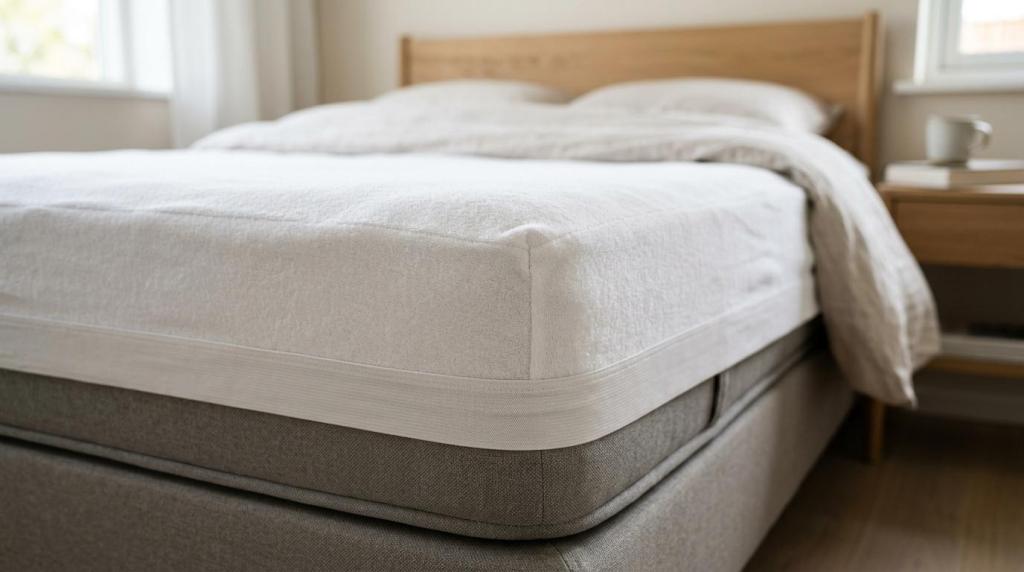
When it becomes necessary to protect the bed, choosing the right size makes a surprisingly big difference. 160x200 cm is a very common double bed size, but a waterproof sheet will not work properly if it is too loose, too shallow or made from a material that feels stuffy. A well-chosen incontinence sheet helps keep the mattress dry, reduces bedding care and makes everyday life more peaceful.
Many people quickly find that an ordinary fitted sheet is not enough if moisture occurs repeatedly or there are larger leaks at night. In that case, it is worth considering the size, construction and intended use together, rather than only the price or surface material.
What an incontinence sheet 160x200 means in practice
An incontinence sheet 160x200 usually refers to a waterproof or highly moisture-resistant sheet, mattress protector or fitted protective layer suitable for a 160x200 cm bed. In practice, it is a product with a pleasant surface fabric and a membrane underneath that prevents liquid from passing through, usually with a PU or TPU construction.
An important point is this: an incontinence sheet is not always an actual "sheet" in the same sense as a cotton fitted sheet. It can also be a protector placed on top of the mattress, with an ordinary sheet placed over it. This is precisely why it is worth reading product descriptions carefully.
The better the protector fits around the mattress, the less it wrinkles and moves during the night.
A good 160x200 protector works discreetly. It should not rustle, pull at the corners or feel plastic-like against the skin. When the construction is successful, the result is close to an ordinary bed, while the mattress remains protected.
Materials in an incontinence sheet 160x200
The material has a direct effect on how the bed feels when sleeping. The surface fabric may be cotton, microfibre, bamboo-based fibre or Tencel-type fibre. The backing usually has a waterproof membrane that prevents liquid from reaching the mattress while allowing some air to pass through.
If sweating is a problem or the mattress otherwise retains heat, a breathable surface is especially important. This is even more pronounced with a memory foam mattress, as the mattress itself may already feel warm.
The differences between materials are often seen as follows:
- Cotton terry: soft, familiar and highly breathable feel
- Microfibre: smooth surface, good durability and quick drying
- Bamboo or Tencel: a pleasant option that often feels cooler
- TPU or PU membrane: waterproof protection that is usually quieter than a traditional plastic film
A cheap plastic-like solution often feels exactly as it sounds.
|
Material |
Feel |
Breathability |
Waterproofing |
Suitable for |
|---|---|---|---|---|
|
Protector with a cotton surface |
Soft and natural |
Good |
Requires a backing membrane |
For those who value a familiar feel |
|
Protector with a microfibre surface |
Smooth and lightweight |
Moderate |
Requires a backing membrane |
For those seeking easy care |
|
Bamboo or Tencel surface |
Soft, often slightly cool |
Good or very good |
Requires a backing membrane |
For warm sleepers |
|
TPU or PU backing membrane |
Not felt as an actual surface |
Moderate |
Very good |
The most common and effective solution |
|
PVC or vinyl backing |
Stiffer and often noisier |
Poor |
Very good |
Less often the best choice for home use |
If the goal is the most discreet possible use, choose a quiet and flexible protector with a soft surface and a TPU-type waterproof layer.
How to keep the bed dry with the right layering
A single waterproof sheet is not always enough, even if it is high quality. The most effective solution is often layering. This keeps the mattress better protected without compromising bed comfort.
In practice, place a waterproof layer that protects the mattress at the bottom, then an ordinary sheet or another protective layer on top, and an absorbent bed pad in the central area of the bed if needed. This way, any moisture is stopped in the upper layers, and the whole bed does not need to be stripped every time.
This is especially useful for a 160x200 size, as it is often a bed for two people. When protection is properly planned, the entire mattress does not need to be changed or washed unnecessarily.
An effective basic solution can look like this:
- a waterproof protector that fits around the mattress
- a fitted incontinence sheet
- an ordinary fitted sheet
- an absorbent bed pad in the centre
- separate moisture protectors for pillows
If leaks occur more often, it is practical to keep at least two protectors in rotation in the cupboard. One is in use and the other is clean and ready.
How to choose the right incontinence sheet 160x200 for your mattress
In addition to the size, you need to check the mattress height. 160x200 cm alone does not tell you whether the sheet will fit in practice. If the mattress is high, has a mattress topper or the bed has a thicker-than-usual base, a protector that is too shallow can easily come off at the corners.
A fitted sheet or mattress protector stays in place best when it has an elasticated skirt or proper elastic fastening. A deep-pocket model is a good choice especially when the mattress height approaches or exceeds 30 cm. Some products state suitability in centimetres, and this is exactly the detail worth checking before ordering.
The surface feel should also be taken seriously. If the protector feels stuffy, it is unlikely to remain in long-term use, even if its waterproofing is good. This is why the material, fit and washing instructions need to work together.
These checks make the purchase decision easier:
- Mattress height: make sure the protector's edge reaches around the mattress without pulling tight
- Fastening: choose a model whose corners or entire edge stay firmly in place
- Surface material: a soft, breathable surface feels clearly better for nightly use
- Quietness: a quiet construction improves comfort, especially for light sleepers
- Care instructions: a machine-washable, quick-drying model makes everyday life easier
If the product description refers to a 160x220 size and includes an elasticated skirt, it may also fit a 160x200 mattress. However, you should then check the manufacturer's stated suitability according to mattress height rather than relying on the length measurement alone.
Split 160x200 sheet for an adjustable bed
A split waterproof sheet is a good option when a 160x200 bed consists of two adjustable sides. It makes use easier when the head of the bed is raised or when only one side needs more protection than usual.
This type of model can also make bed care easier. If one sleeper has a greater need for protection, a practical solution is often a split model or separate protectors used side by side on the same bed.
Washing and care to preserve waterproofing
A waterproof sheet withstands use well when washed correctly. The biggest mistake is washing at too high a temperature or drying intensely, which can weaken the membrane structure. In that case, the sheet may look intact even though the waterproofing no longer works as it should.
For most products, gentle machine washing with a mild detergent is suitable. Fabric softener should be avoided because it can impair the function of the waterproof layer. Bleaching agents should also be avoided unless the manufacturer states otherwise.
If the sheet gets a urine stain or odour, prompt pre-treatment helps considerably. Mild odour-neutralising agents or enzyme-based stain removers can be useful, provided they are suitable for the material. Drying at low heat or air drying is a safe method. Before using it again, the protector should be dried completely so that moisture does not remain in the layers.
When a mattress protector is enough and when several protective layers are needed
Not every situation requires the same solution. If the need is occasional, a well-fitting waterproof mattress protector and an ordinary sheet can be a perfectly sufficient combination. In this case, the main thing is to prevent the mattress from getting wet.
If bedwetting, seepage or other leaks occur regularly, the bottom protector alone may not make everyday life easy enough. In that case, an absorbent bed pad is often needed on top, as it can be changed quickly without making the entire bed again.
Comfort during the night makes a big difference. A protective layer that is too thick or hot can disturb sleep, but a solution that is too light does not provide enough protection. A suitable combination is often found by ensuring the bottom layer protects the mattress reliably while the upper layer enables quick changes.
When you choose a breathable, close-fitting incontinence sheet in the right size for a 160x200 bed, the bed stays tidier and the mattress remains in better condition for a long time. The difference is immediately visible in everyday life: less laundry, less worry and more peaceful nights.
