What does high blood sugar feel like?
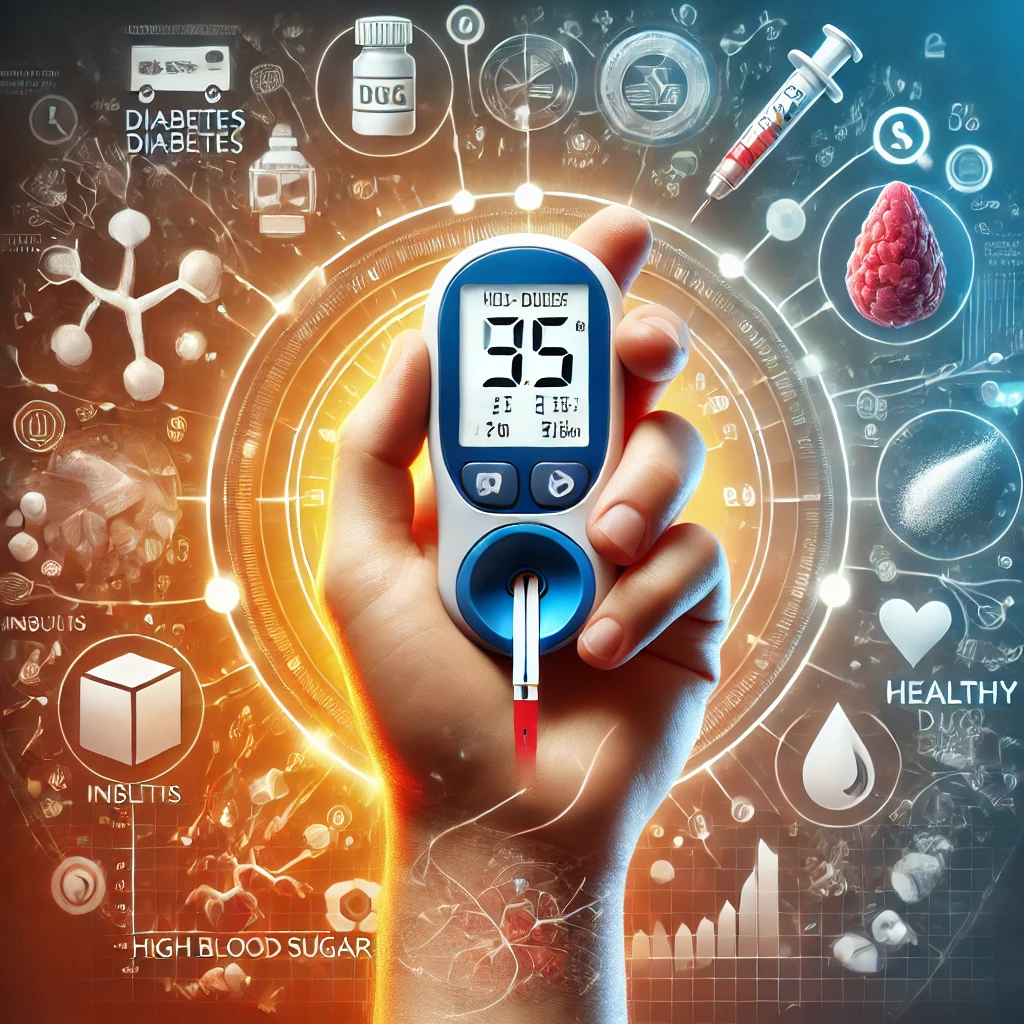
What does high blood sugar feel like? – Symptoms, causes and treatment
High blood sugar, or hyperglycaemia, can cause many unpleasant symptoms, such as fatigue, thirst and headaches. If prolonged, it can lead to serious health problems, such as diabetes and nerve damage. In this article, we discuss the symptoms, causes and consequences of high blood sugar, as well as effective ways to manage it.
🔍 What does high blood sugar mean?
Blood sugar (glucose) is the body's main source of energy, but levels that are too high can be harmful. High blood sugar (hyperglycaemia) means that the blood glucose level is above 7.8 mmol/l after fasting or above 11.1 mmol/l after a meal.
🔹 Temporary high blood sugar can result from stress, lack of exercise or high carbohydrate intake.
🔹 Long-term hyperglycaemia is often associated with type 1 or type 2 diabetes and can damage the body.
⚠️ What does high blood sugar feel like? – The 10 most common symptoms
When blood sugar is high, the body sends various warning signs. Here are the most common symptoms:
1️⃣ Persistent thirst and dry mouth
When blood sugar is high, the body tries to remove excess glucose through urine. This leads to dehydration and a persistent feeling of thirst.
2️⃣ Frequent urination
Drinking plenty of water and having high blood sugar make the kidneys work harder. If you need to use the toilet frequently, it may be a sign of elevated blood sugar.
3️⃣ Fatigue and exhaustion
High blood sugar prevents glucose from entering cells effectively, so the body does not get enough energy. This causes exhaustion and weakness.
4️⃣ Headaches and dizziness
Hyperglycaemia can cause circulatory disturbances, which may be felt as headaches or even dizziness.
5️⃣ Visual disturbances and blurred vision
Elevated blood sugar can affect the lens of the eye, leading to temporary visual disturbances.
6️⃣ Irritability and difficulty concentrating
Blood sugar fluctuations can affect mood and brain function, which can make you irritable or distracted.
7️⃣ Itchy and dry skin
High blood sugar can cause dry and itchy skin, especially on the feet and hands.
8️⃣ Slow wound healing
Hyperglycaemia impairs circulation and the immune system, meaning that even small wounds heal more slowly than usual.
9️⃣ Heart palpitations and breathing difficulties
If blood sugar rises very high, it can affect heart rhythm and breathing, which can be a serious condition.
🔟 Nausea and stomach problems
Very high blood sugar can cause nausea, vomiting and even ketoacidosis, which is a life-threatening condition.
🎯 What causes high blood sugar?
Elevated blood sugar can result from many causes, including:
🔹 1. Excessive sugar and carbohydrate intake
A diet high in fast-acting carbohydrates raises blood sugar quickly.
🔹 2. Lack of exercise
Physical activity helps the body burn glucose and balance blood sugar.
🔹 3. Stress and lack of sleep
Stress hormones, such as cortisol, can raise blood sugar. Poor sleep also affects insulin sensitivity.
🔹 4. Insulin resistance and diabetes
In type 2 diabetes, the body does not respond normally to insulin, leading to elevated blood sugar.
🔹 5. Lack of medication or insulin dosing errors
For people with diabetes, incorrect use of insulin or blood sugar medication can raise blood sugar.
🛑 The dangers and consequences of high blood sugar
If blood sugar remains high for a long time, it can lead to serious health problems, such as:
⚠️ Diabetes and insulin resistance
⚠️ Nerve damage (neuropathy)
⚠️ Kidney failure
⚠️ Blood vessel damage and heart disease
⚠️ Impaired vision (retinopathy)
✅ How to lower blood sugar quickly and naturally?
🟢 1. Drink plenty of water – Helps the body remove excess glucose through urine.
🟢 2. Exercise – Walking, yoga and strength training can help lower blood sugar.
🟢 3. Eat high-fibre foods – Fibre slows carbohydrate absorption and helps balance blood sugar.
🟢 4. Manage stress – Meditation, breathing exercises and yoga can reduce the effects of stress hormones.
🟢 5. Avoid sugar and fast-acting carbohydrates – Replace them with wholegrain products, vegetables and healthy fats.
🟢 6. Get enough sleep – Lack of sleep can interfere with insulin function and raise blood sugar.
❓ Frequently asked questions (FAQ)
1. How high can blood sugar be before it is dangerous?
Above 13–15 mmol/l can be harmful and cause serious complications.
2. What helps lower blood sugar quickly?
Drinking water, exercising and making healthy dietary choices can help.
3. Can high blood sugar feel normal?
If hyperglycaemia is chronic, symptoms may be mild or unnoticeable.
4. Why does blood sugar rise at night?
The liver releases glucose during the night, which can raise blood sugar in the morning.
5. How quickly does blood sugar decrease with diet?
It may start to decrease within a few days if diet and exercise are in order.
🎯 Summary
High blood sugar can cause thirst, fatigue, headaches and many other symptoms. It is important to recognise it early and manage it through healthy lifestyle habits. If you suspect high blood sugar, it is advisable to measure your blood sugar levels and seek medical advice if necessary.
