Safe use and cleaning of an electric heated blanket
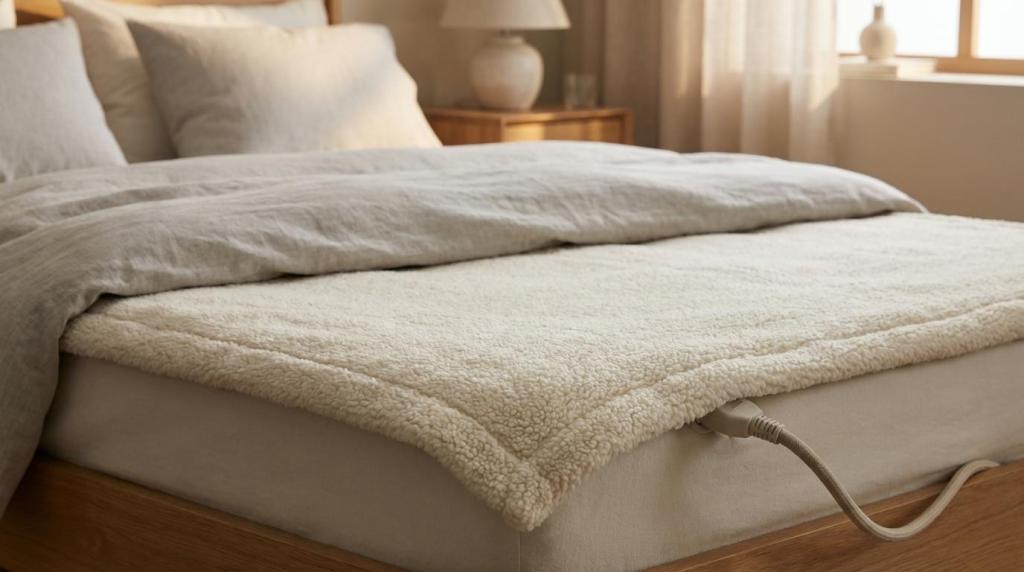
In winter frost, an electric heated blanket can feel like a quick way to make the bed more inviting and reduce the feeling of cold. At the same time, as an electrical appliance, it differs from a regular blanket: heat is produced by wires, a controller and connectors, so use, storage and cleaning should become routine. When the basics are in order, you can use a heated blanket with greater peace of mind, and its service life will also improve.
What makes an electric blanket safe?
Safety starts with ensuring that the appliance is manufactured in accordance with EU requirements and intended for the use for which it is purchased. For electric blankets, this typically means CE marking, the manufacturer's instructions in Finnish or Swedish, and compliance with household appliance safety standards (for electric blankets, often EN 60335-2-17 and the general standard EN 60335-1). In Finland, the safety of electrical appliances is supervised by Tukes, and it is a good idea to check any recalls or warnings if your blanket is older or from a less familiar brand.
A good rule is to think of an electric blanket as a “soft heater” that belongs in bed only when positioned correctly.
When considering a purchase or bringing an old blanket back into use, first carry out a quick check.
- Markings and documentation: CE marking, clear instructions for use, care instructions and model identification details
- Safety features: overheat protection, automatic shut-off or timer (if included in the model)
- An intact plug and cord
- A clear and secure connection between the controller and the blanket
Before every use: a quick condition check
You should not “just switch on” an electric blanket if it has been in storage or used only occasionally. Even minor damage often first appears as an odour, discolouration or isolated hot spots.
Check carefully in good light: the blanket fabric, edges, stitching, cord and plug. Pay attention to any indentations or folds in the blanket left from storage.
The following signs mean that you should stop using the blanket immediately and assess the situation (service, replacement or disposal according to the instructions):
|
Item to check |
What to look for |
Action |
|---|---|---|
|
Fabric and surface |
darkened areas, burnt-looking spots, fraying |
do not use |
|
Heat distribution |
distinct “hot spots”, i.e. isolated hot areas |
do not use |
|
Cord and plug |
breaks, crushing, a loose connection, heating |
do not use |
|
Controller and connector |
cracks, looseness, an unreliable connection |
do not use |
|
Odour |
an electrical or burning smell during use |
unplug immediately |
Many models work reliably for a long time, but it is worth being strict with very old electric blankets. A blanket that has been in use for more than 10 years carries a higher risk, especially if it does not have modern overheat protection or has been stored folded.
Correct positioning helps prevent overheating
The most common safety issue is related to the blanket becoming creased, folded in half or weighed down in a way that affects heat dissipation. The heating wires inside do not tolerate being compressed, twisted or repeatedly folded in the same place.
In practice, positioning depends on whether it is an underblanket (placed on top of the mattress) or an overblanket. In both cases, the basic principle is the same: spread the blanket evenly, keep the cord route clear and ensure that the connector remains in a place where it will not be compressed.
If your model is an underblanket intended for preheating, a safe method is to warm the bed in advance and switch off or unplug the blanket before going to sleep, if the instructions advise this. Some models allow sleeping with the blanket switched on, while others do not. The manufacturer's instructions always take precedence.
A small but important detail: do not place another electrical appliance, a thick blanket tightly layered on top, or a heavy pile of pillows and blankets on the heated blanket, as this prevents heat from dissipating.
Who should not use an electric blanket, and when is extra caution needed?
An electric blanket often provides pleasantly even warmth, but not everyone senses heat in the same way. When heat sensitivity is reduced, the risk of burns increases because a person may not wake up in time or notice an overly hot area.
Here is a concise table that can be kept on the fridge door as a reminder if there are several users in the household:
|
User group |
Main risk |
Practical precaution |
|---|---|---|
|
Young children |
temperature regulation and supervision |
not for use by babies or toddlers without continuous adult supervision |
|
Older people |
increased skin sensitivity, reactions during sleep |
low setting, timer/shut-off, ensure that use can be managed safely |
|
Neuropathy (diabetes, etc.) |
reduced sensation |
avoid prolonged use, monitor skin condition |
|
Intoxication, sleeping medication |
slower reactions |
use is not recommended |
|
Circulation or temperature regulation issues |
body warming may feel uncomfortable or cause problems |
consult a healthcare professional, keep the heat moderate |
|
Pregnancy |
prolonged warming of the abdominal area |
avoid continuous strong heat, keep the setting low |
One person's “comfortable warmth” may be too much for someone else, so when sharing use, it is a good idea to agree on clear rules: who uses it, at what setting, and whether the blanket is left on or not.
Cleaning always starts by disconnecting the controller
Cleaning is both a hygiene and safety matter. Dust, skin oils and stains do not usually affect electrical parts, but incorrect washing methods can wet the connectors, stretch the wires or damage the internal structure.
In many modern blankets, the controller and power cord are detachable, allowing the textile section to be washed according to the instructions. If the controller cannot be removed, machine washing may be prohibited and cleaning should only be done on the surface.
The same principle is often emphasised for regular bedding: the care label is decisive, and drying should be done in a way that does not strain the structure. The same approach applies even more carefully to a heated blanket.
When washing is permitted, proceed as follows.
- Unplug the blanket from the wall and allow it to cool completely.
- Remove the controller and all connectors according to the manufacturer's instructions; protect connector ends if the instructions advise this.
- Wash on a gentle programme (typically 30-40 °C), use a mild detergent and avoid bleaching agents.
- Choose a light spin cycle or minimise spinning if the instructions allow this option.
- Dry completely before reconnecting the blanket to electricity.
- Check when dry: the fabric, connectors, any fold marks and that no part feels unusual.
Many people ask about tumble drying. If tumble drying is permitted, use low heat and make sure the blanket cannot twist into a tight bundle. If the instructions prohibit tumble drying, air-dry it flat or in a way that does not leave the blanket hanging by its wires.
Ironing is almost always a bad idea with an electric blanket: a hot soleplate and localised pressure are not suitable for the internal wires.
When machine washing is not suitable: surface cleaning and odour control
For some heated blankets, washing is limited to surface cleaning, or the manufacturer permits only a particular type of wiping. In this case, the aim is to remove dirt without wetting the electrical parts or internal structure.
A good everyday routine is airing it out. This reduces odours and moisture build-up, while also helping the blanket recover from storage folds.
For surface cleaning, you can proceed as follows: light vacuuming with a textile attachment, a damp cloth with a mild detergent solution, and finally wiping with a cloth dampened with water only. The controller and connectors should only be wiped lightly and must not be immersed in water.
If the blanket gets a clear stain, patience is key: vigorous rubbing and soaking increase the risk of moisture penetrating deeper into the structure.
Storage and extending service life
An electric blanket generally lasts best when handled as a flat textile rather than a tightly rolled item. Store the blanket preferably loosely folded or loosely rolled, in a dry place protected from dust. Avoid sharp folds in the same place every time.
If the blanket is used seasonally, do two things when storing it: clean it according to the instructions and check the cord and connectors. When the season begins, carry out the same check again before the first heating.
Many people also value services that make use easier: reliable shipping, clear product and care instructions, and a flexible right of return can make a purchase feel safer when looking for a model that suits their needs. In everyday use, however, the most important thing is to follow the instructions and take the blanket out of use immediately if it behaves unusually.
Small safety habits that make a big difference
When an electric blanket is part of the evening routine, safety is not a single thing to “remember” but a habit.
- Start with low heat: increase the setting only if needed and if the instructions allow it
- Timer: if the blanket has a timer or automatic shut-off, use it
- Keep the bed tidy: avoid creases, overlapping and pressure around the connector
- Unplug from the wall: when the blanket is not in use
If you ever find yourself wondering, “is this still safe?”, the answer is often to replace it with a new one or have it checked according to the instructions. An electric blanket is a comfort product, so there is no need to take risks with it.
