Bed linen hygiene: temperature, detergent and allergies
Washing sheets is a routine for many people, but for an allergy sufferer, it is often part of managing symptoms. When your nose is blocked in the morning or your skin itches at night, attention easily turns to the bed: what is actually in the textiles, and how can they be cleaned without worsening sensitivity to detergent residues?
The good news is that bed linen hygiene does not require magic tricks. When the temperature, detergent and drying are sensibly chosen, both microbes and allergens can usually be well controlled in a home washing machine.
Why bed linen feels different for allergy sufferers
A surprising amount accumulates on bedding in a week: sweat, skin cells, oils, hair and sometimes pollen, if the window is kept open or laundry is dried outdoors. These are not always visible, but they can feed dust mites and increase mustiness that is easily felt in the airways.
Allergy symptoms are not caused by just one culprit, however. Dust mites and their droppings are classic triggers, but pet allergens, mould spores and the fragrances and preservatives in detergents can also irritate. This is why the aim of “clean” should be divided into two areas: removing visible dirt and achieving microbiological cleanliness.
One practical challenge is that many people wash at low temperatures to protect textiles and save energy. This may work for basic cleanliness, but during allergy season or after illness, it is not always enough.
Temperature: what 40 °C does and why 60 °C helps
A 30–40 °C wash removes sweat and oils effectively when the detergent and programme are suitable. Studies have nevertheless repeatedly shown that low-temperature washes do not reliably inactivate all microbes. Some bacteria and certain more persistent viruses may survive, and dust mites often survive washes below 55 °C.
When the goal is allergy-friendly hygiene, 60 °C is a “safe temperature” in many homes. For dust mites, the classic observation is that 55–60 °C kills mites effectively, whereas 30–40 °C does not. At the same time, 60 °C clearly reduces the bacterial load compared with washing at 40 °C.
Not all textiles can withstand frequent hot washing. In that case, consider the overall approach: what to wash hot (pillowcases, sheets, protectors), what to wash cooler (delicate materials), and how drying and rinsing support the result.
|
Situation or goal |
Recommended washing temperature |
Why this helps allergy sufferers |
|---|---|---|
|
Everyday use, no particular symptoms |
40 °C (a sufficiently long programme) |
Removes dirt and some allergens effectively when rinsing is thorough |
|
Clear allergy symptoms or dust mite sensitivity |
60 °C within the limits permitted by the care instructions |
Kills dust mites and clearly improves hygiene performance |
|
A cycle of colds at home |
60 °C, with emphasis on pillowcases and towels |
Reduces microbial load and the risk of cross-contamination |
|
Vomiting illness or persistent stomach illness |
60 °C + a hygiene additive if needed (as permitted for the textile) |
Persistent pathogens often require heat and/or a chemical boost |
|
Delicate material (e.g. some bamboo or percale qualities according to care instructions) |
According to care instructions, often 40 °C |
Maintains fibre durability, while exposure is managed through other means (changing frequency, drying, protectors) |
Detergent for allergy sufferers: fragrances, enzymes and bleach boosters
For allergy sufferers, what matters most about detergent is often what it leaves behind, not just what it removes. Fragrances and colourants are common irritants, and for sensitive skin they can cause itching or a rash even when washing performance is good.
Enzymes can be useful for bed linen because it contains plenty of protein-based dirt (sweat, skin cells). Research suggests that a basic detergent often performs just as well in removing allergens as “super-boosted” alternatives when the programme and rinsing are in order. In other words, detergent selection should prioritise tolerance and correct dosage.
Hygiene additives and bleach boosters can be useful in certain situations, especially if you need to wash at a lower temperature or if there has been a stomach illness at home. However, they do not need to be used continuously, as they can wear down fibres and some people react more sensitively to strong chemicals.
A good basic approach is built on these principles:
- Fragrance-free: reduces the risk of irritation to skin and airways
- Correct dosage: too little leaves dirt behind, while too much can leave residues
- Ensuring thorough rinsing: often more important for allergy sufferers than the “strongest possible” detergent
Rinsing and drying: washing does not end with spinning
Allergens and detergent residues are only finally removed during rinsing. If skin reacts to sheets that feel “clean”, the cause is often too much detergent, an overfilled machine or insufficient rinsing.
A practical tip is simple: if you change detergent, change only one thing at a time and monitor the skin over a few wash cycles. This makes it easier to identify the cause if symptoms increase.
Drying is a surprisingly important part of hygiene for allergy sufferers. The heat of a tumble dryer and fast drying help reduce the moisture in which microbes thrive, while heat also reduces dust mite survival. Outdoor drying, on the other hand, can bring pollen into textiles, which is a nuisance for many people in spring and summer.
If you dry indoors, ensure good air circulation and avoid leaving laundry damp for a long time. A musty smell is often a sign that drying has been too slow.
Changing frequency and everyday routines that reduce exposure
When symptoms are active, simply increasing the washing temperature is not always enough if sheets are changed infrequently. Pillowcases collect the most contact from breath and skin, making them one of the most effective “quick wins”.
A routine that works in many homes looks like this:
- Pillowcases: every 7–10 days, more frequently during symptom periods
- Sheets and duvet covers: every 1–2 weeks, weekly if needed
- Duvets and pillows (fillings): according to care instructions, often less frequently but regularly
Even over a single week, bedding accumulates material that dust mites can use as food. Changing it more often interrupts this accumulation, even if you cannot always wash everything at 60 degrees.
Materials and protectors: when you want to wash less often but have fewer symptoms
Materials matter in allergies because the structure of a textile affects how easily allergens adhere and how well they are removed in the wash. Tightly woven cotton, percale and many smooth microfibres are often easy to wash and dry, whereas very fluffy surfaces may collect dust more readily.
Certifications can also help. OEKO-TEX-type standards do not make a product “allergy-free”, but they limit harmful chemicals and can make selection easier if you are sensitive to finishing agents or strong colour chemicals.
Mattress protectors and pillow protectors are a practical solution for many allergy sufferers because they are easier to wash regularly than an entire mattress or pillow. Protectors also reduce how deeply skin cells and dust penetrate.
Washing machine cleanliness and laundry handling: small things that make a difference
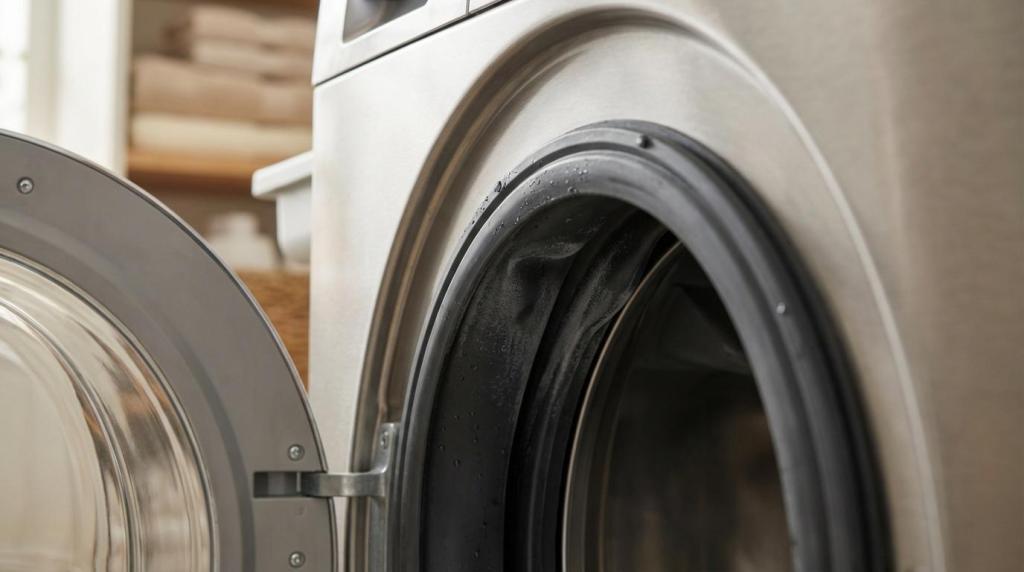
If much of the laundry at home is washed at 30–40 °C, biofilm and detergent residues can build up inside the washing machine over time. This often shows as a musty smell, greying or laundry that does not feel fresh even when the detergent is “good”.
The everyday checklist is short:
- lint filter and filter
- detergent drawer and the area behind it
- door seals
- regular empty hot wash (according to the machine instructions)
Handling laundry is equally important: do not leave wet sheets in the machine for hours, and avoid storing damp laundry in a pile. Moisture and warmth work quickly, and that does not benefit an allergy sufferer’s breathing.
Quick guide: washing sheets during allergy season
When you want the most reliable result while also being gentle on the skin, proceed as follows:
- Choose the highest temperature permitted by the care instructions, often 60 °C for pillowcases and sheets.
- Use fragrance-free detergent and dose according to water hardness and load; do not use extra “just in case”.
- Add an extra rinse if the skin reacts or if you change detergent.
- Dry quickly: tumble dry at a suitable temperature or dry indoors in a well-ventilated space.
- Run a hot wash for the washing machine regularly if everyday laundry mainly uses 40 °C programmes.
There is no single right way to wash bedding, because skin sensitivity, materials and everyday schedules vary. Many find a workable compromise by washing some loads at 40 degrees in everyday life, then raising pillowcases and sheets to 60 degrees and focusing on rinsing during allergy symptoms, pollen season or illness.
If you are buying new bedding for an allergy household, it is worth considering both the material’s wash resistance and how the textile feels against the skin. Many also prefer safety-certified options and online stores with flexible returns and customer service that is easy to reach quickly, even by message. This makes it easier to try what truly helps create a calmer night’s sleep.
